

Penalty Shootout Rules Explained: 5 Proven Facts to Know
Here’s the short version if you’re pressed for time: penalty shootout rules come down to two coin tosses, alternating kicks, and up to five kicks a side before sudden death if the scores are still level — but the fine print underneath is more interesting than most fans realise, including a historically observed advantage for the team that kicks first. Below, we walk through exactly how a shootout unfolds, where the format actually came from, and a few details that trip people up even during major tournament broadcasts.
How Penalty Shootouts Work: The Basic Process
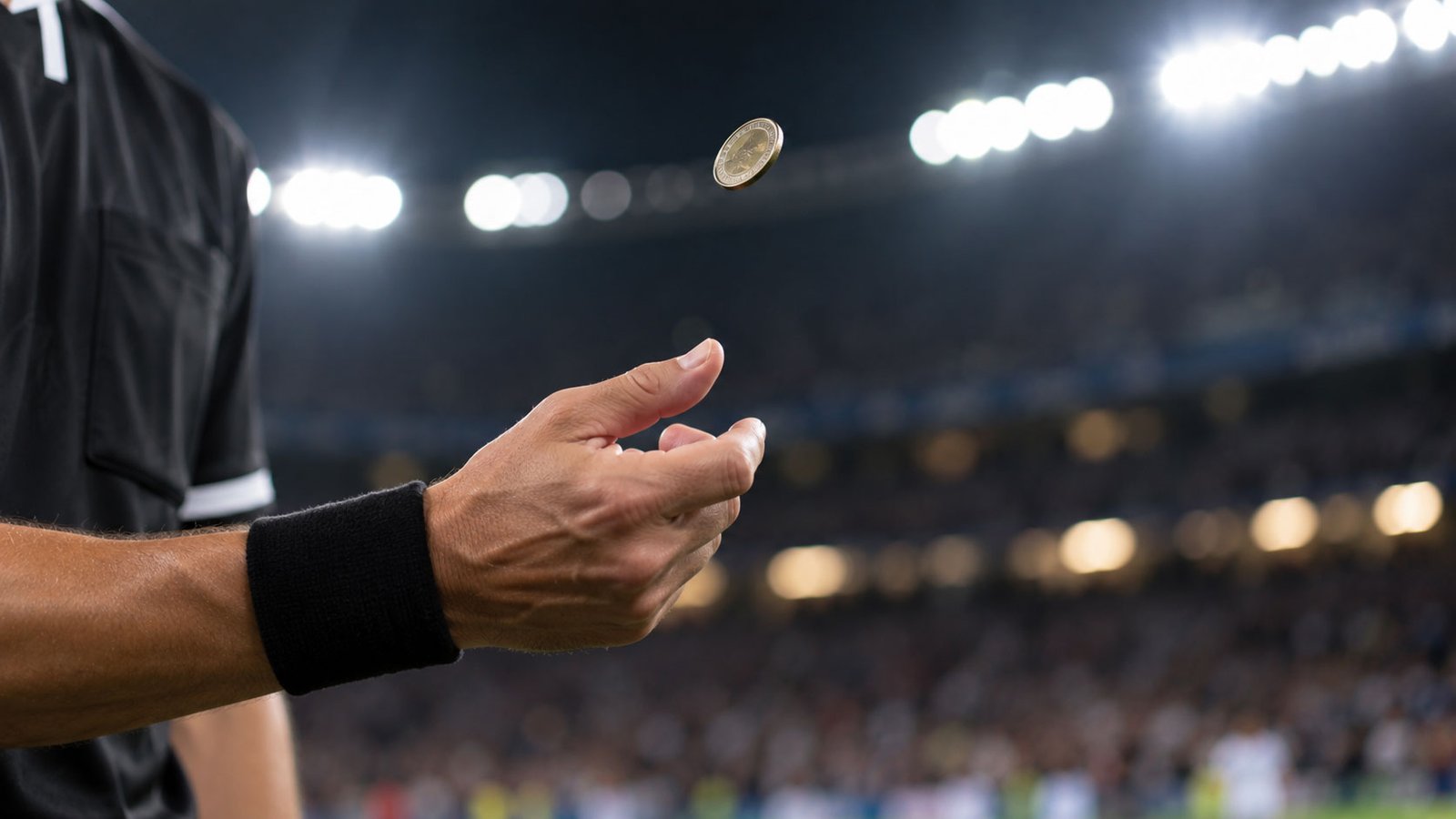
How penalty shootouts work starts before a single ball is kicked. The referee conducts two coin tosses. The first determines which goal will be used for the shootout, and the second gives the winning team the choice of whether to take the first or second kick.
Only eligible players can take part — generally, those who were on the field of play (or temporarily off it under permitted circumstances) when the match ended. A substitute goalkeeper can also come on if the original keeper is unable to continue.
From there, teams alternate kicks in what’s known as the ABAB format — Team A, Team B, Team A, Team B, and so on. Teams initially have up to five kicks each, but if one side builds a lead the other can’t mathematically overcome even with its remaining kicks, the shoot-out ends immediately rather than running the full five rounds. If the scores are still level after both teams have completed five kicks, the shootout moves into sudden death, where it becomes kick-for-kick: the moment one team scores and the other misses, it’s over.
The goalkeeper has specific restrictions too. During a penalty kick, the defending goalkeeper must remain on the goal line, facing the kicker, until the ball is struck, and must not unfairly distract the taker — for example, by delaying the kick or touching the goalposts, crossbar, or net. That means the dramatic side-to-side movement you often see isn’t automatically illegal; the line is whether the keeper stays within the rules and avoids unfairly distracting the taker.
World Cup Penalty Shootout Rules Explained: Where the Format Came From
World Cup penalty shootout rules explained properly means going back to 1970, when IFAB formally adopted the penalty shoot-out as a method for deciding drawn knockout matches, after earlier competitions had sometimes relied on replays or even the drawing of lots. The first major tournament shootout came six years later, at the 1976 European Championship final, where Czechoslovakia beat West Germany 5-3 on penalties after a 2-2 draw — sealed by Antonín Panenka’s famously cheeky chipped penalty, a technique that still carries his name today.
The World Cup itself didn’t see its first shootout until 1982, when West Germany beat France 5-4 in a Seville semi-final that’s still regarded as one of the tournament’s greatest matches. Alain Giresse, who took France’s first-ever World Cup shootout penalty and scored it, later described the walk to the spot as something closer to a solo confrontation than a team sport — “it’s you and them, face to face.” Since then, shootouts have decided World Cup ties dozens of times, including three separate finals.
If you want to see how a shootout can flip a match on its head, our recap of Paraguay’s penalty shootout upset over Germany shows exactly the kind of drama this format is built for.
Why Kicking First Actually Matters
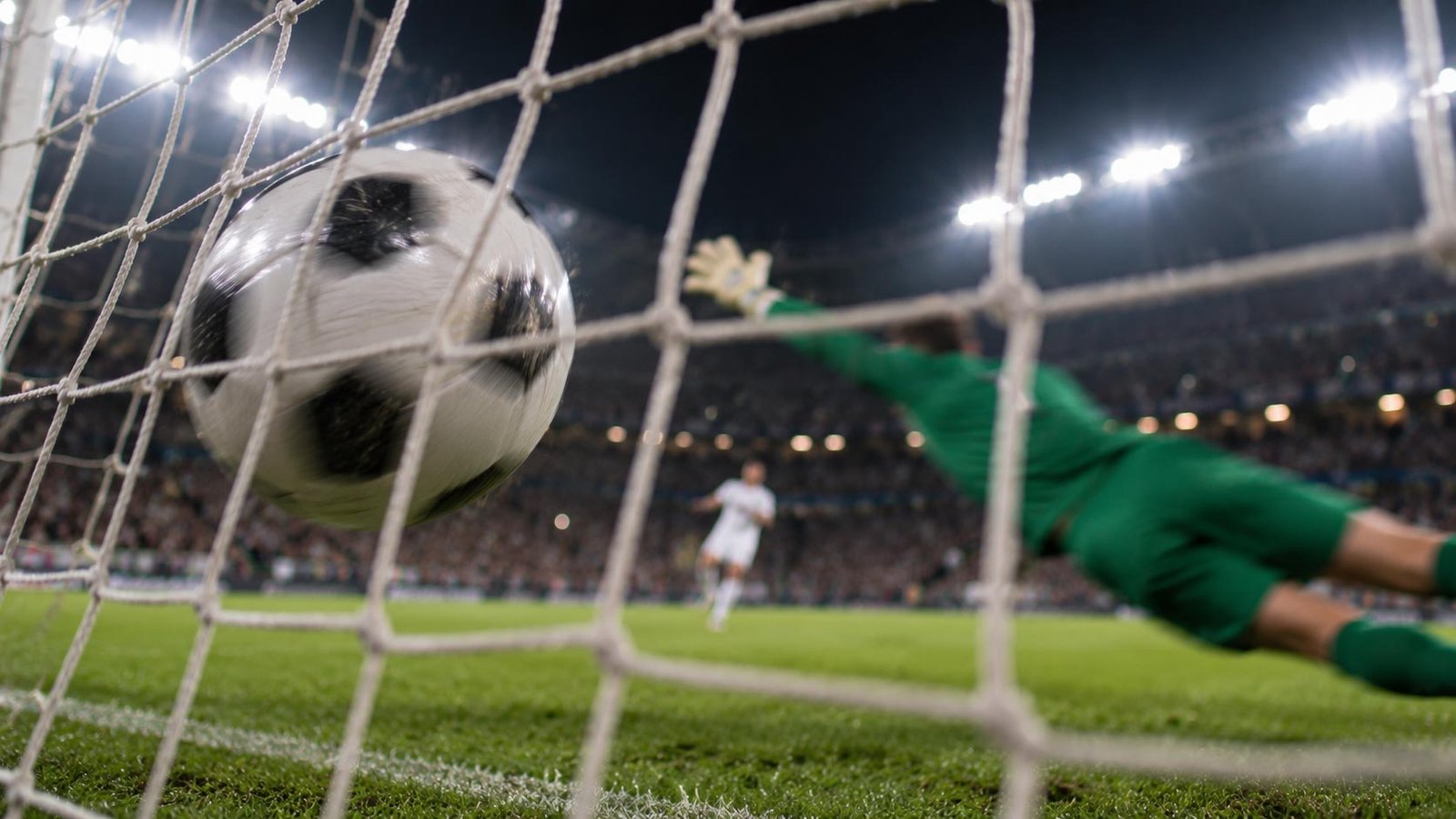
This is where the fine print gets genuinely interesting. Research reviewed by IFAB around 2017 found that the team taking the first penalty in a shootout had historically won roughly 60% of the time — a statistical edge attributed to psychological pressure rather than skill, since the team kicking second is more often left responding to the scoreboard.
That finding led IFAB to trial an alternative sequence called AB-BA, borrowed from tennis tiebreaks, at several youth tournaments in 2017. Instead of strict ABAB, the order became A-B-B-A-A-B-B-A, spreading the pressure more evenly between both sides. The trial didn’t stick, though — in 2019, IFAB’s Annual Business Meeting agreed to drop AB-BA as a future option, citing a lack of strong support and the added complexity of the format. The traditional ABAB sequence has remained the standard ever since, which means the first-kicker advantage is best understood as a historically observed statistical pattern rather than a rule that’s been formally corrected.
The Bottom Line
At its core, none of this is complicated: two coin tosses, alternating kicks, up to five kicks each, then sudden death if needed. What makes shootouts so gripping isn’t the mechanics — it’s everything layered on top of them, from the psychological weight of kicking first to a goalkeeper doing everything short of breaking the rules to put a taker off.
If you’re brushing up on other football rules that look simple but carry more nuance than expected, our guides to the offside rule and yellow and red cards cover two more that fit the same pattern. For the full story behind the format’s introduction, FIFA’s own history of the penalty shootout is worth a read.

















Leave A Comment