
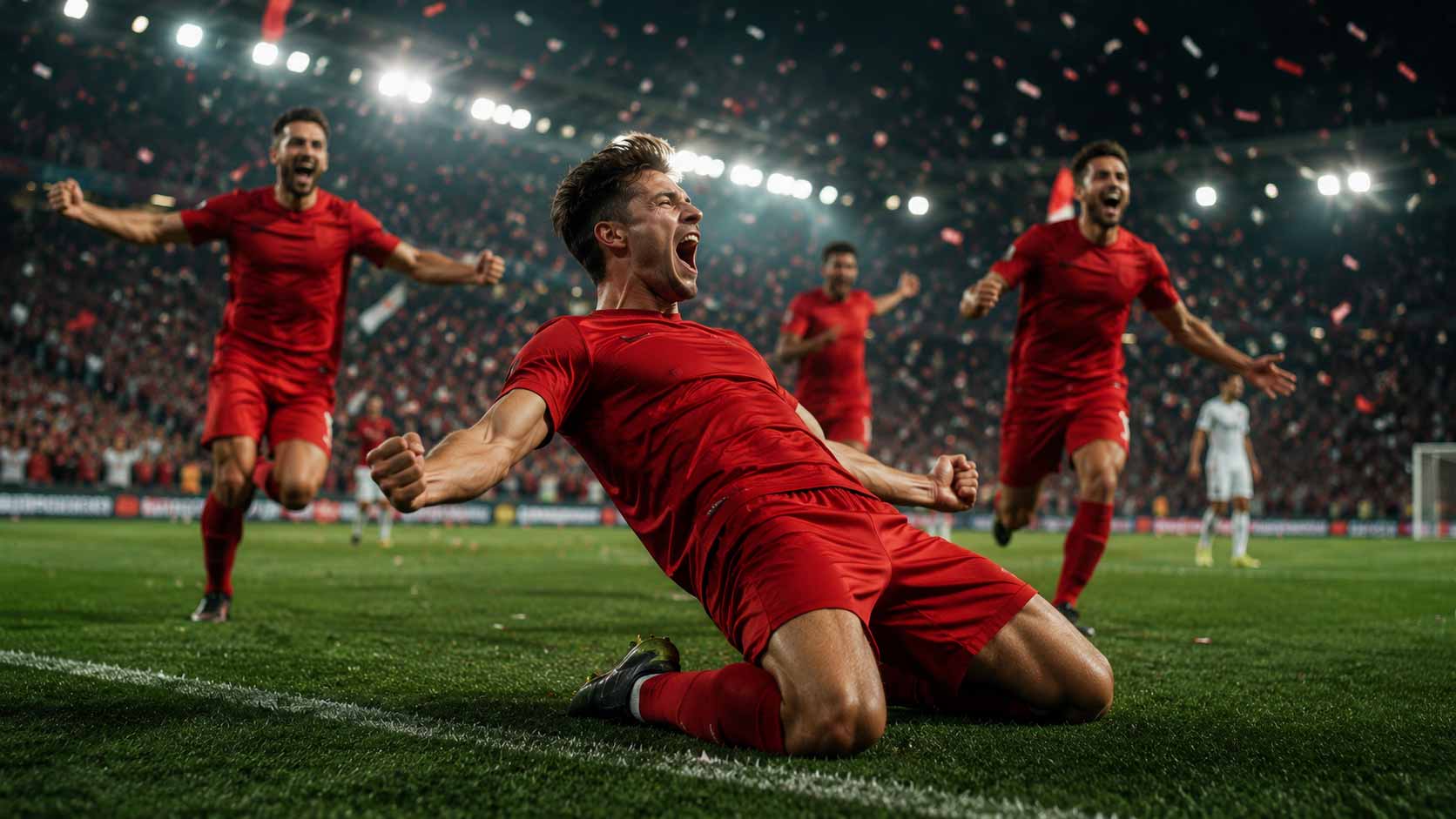
Spain’s Amazing Extra-Time Win Stuns Argentina to Claim World Cup
Spain vs Argentina: Final Score and Result
Here’s the result if you’re just catching up: Spain vs Argentina ended 1-0 after extra time, with substitute Ferran Torres scoring the decisive goal in the 106th minute to hand Spain their second World Cup title. Argentina played the closing stages of extra time a man down after Enzo Fernández was sent off, and despite Lionel Messi’s best efforts, the Albiceleste couldn’t find a way past a Spanish side that dominated the match from start to finish.
Spain Wins World Cup Final 2026: How the Match Unfolded
For long spells, this Spain vs Argentina final looked more like a siege than a contest. Spain controlled possession for most of the 90 minutes and peppered Argentina’s goal with attempt after attempt, but goalkeeper Emiliano Martínez turned in one of the great individual performances of the tournament, setting a new record for saves in a World Cup final. Argentina, by contrast, barely threatened — Messi’s clearest sight of goal came early on, when he sprinted onto a through ball from Julián Álvarez only to be denied by Spain’s keeper in a one-on-one.
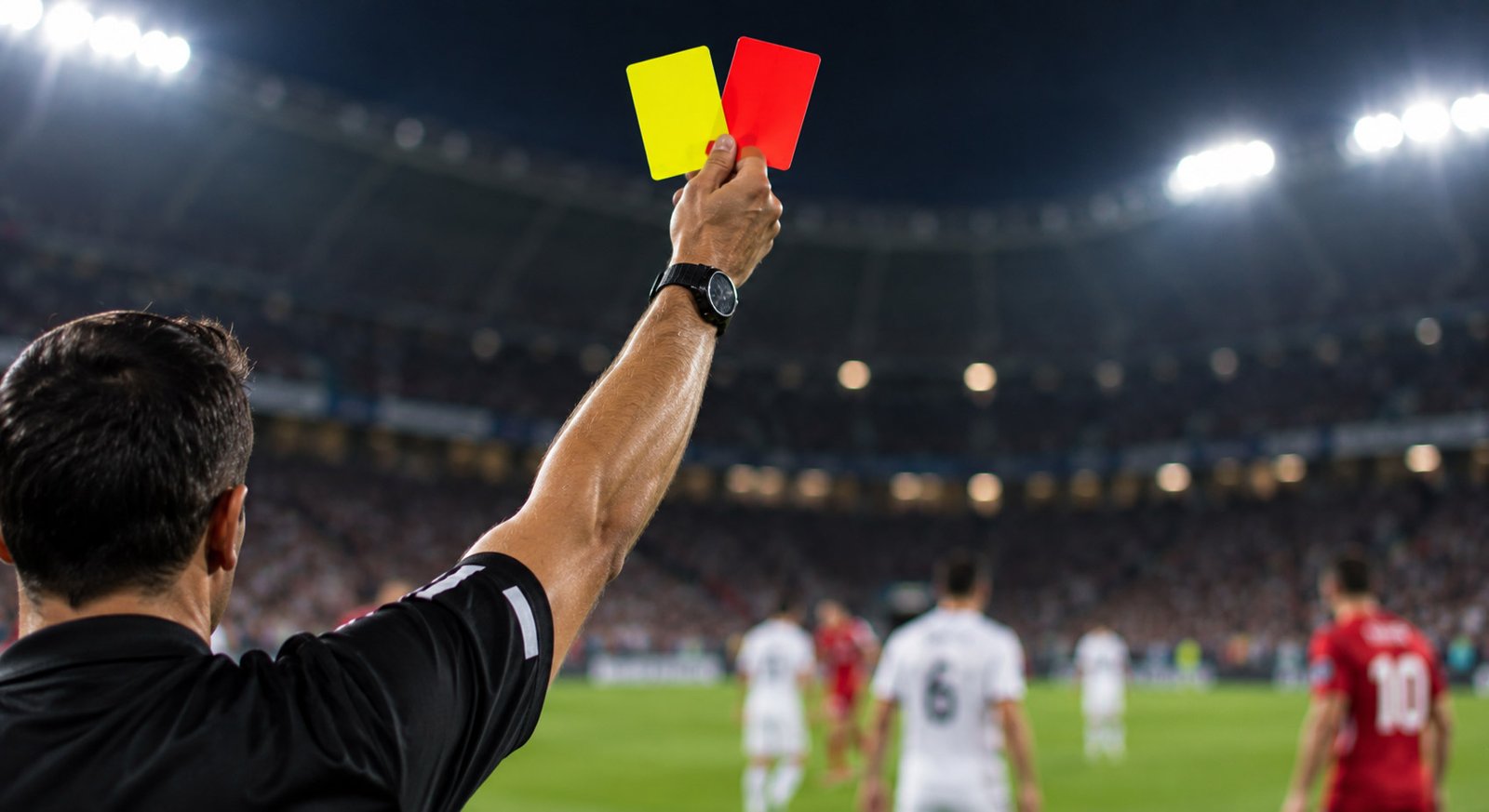
The closest either side came to breaking the deadlock in normal time was a stoppage-time free-kick from teenager Lamine Yamal, curling toward the far post before Martínez somehow got a hand to it. That save forced extra time, and it’s there that this Spain vs Argentina clash finally turned. Fernández picked up a second yellow card for a reckless challenge, leaving Argentina to play out the remainder with ten men. Spain made the extra man count almost immediately in the second period of extra time, as Nico Williams headed the ball into the path of Torres, who finished with conviction to spark wild celebrations on the Spanish bench.
If you want the full breakdown of how both Spain vs Argentina finalists got here, our semifinals preview and our recap of Argentina’s dramatic win over England cover the road each team travelled to reach this final. For match-by-match stats on both sides’ full campaigns, FIFA’s official match centre has the complete breakdown.
World Cup Champions 2026: What This Win Means
Spain now sit among an elite group of nations with multiple World Cup titles, adding this trophy to the one they won back in 2010. It’s also a piece of history for the women’s game — Spain becomes the first nation to hold both the men’s and women’s World Cup titles at the same time. For head coach Luis de la Fuente, it’s a landmark moment of his own: at 65, he becomes the oldest coach to lead a team to a World Cup title.
For Argentina, this defeat closes out a tournament that had promised so much. Messi, now well into his late 30s, may have played his final World Cup match — a bittersweet way to end a run that included some of the most dramatic moments of the entire tournament, from the group stage right through to that stoppage-time comeback against England in the semifinal. Whether or not this really was his last dance, our earlier piece on the legends chasing one final World Cup captured exactly this kind of moment.
Why This Final Will Be Remembered
Statistically, this Spain vs Argentina final wasn’t a classic in the usual sense — Spain finished with the lion’s share of possession and shots on target, while Argentina barely got out of their own half for most of the match. But the drama of the ending, the red card, the extra-time winner, and Martínez’s record-breaking goalkeeping performance gave this final a story that will be talked about for years.
For Malaysian fans who followed this tournament from the group stage all the way through, this is where the story ends — at least until the next World Cup rolls around. If you’re curious how this compares to the tournament’s other big shocks, our roundup of the group stage’s biggest upsets is worth another look now that the full picture is in. Spain vs Argentina is the final chapter of this tournament — Spain are world champions, Argentina’s golden generation falls just short, and football fans everywhere already have one eye on 2030.

















Leave A Comment